

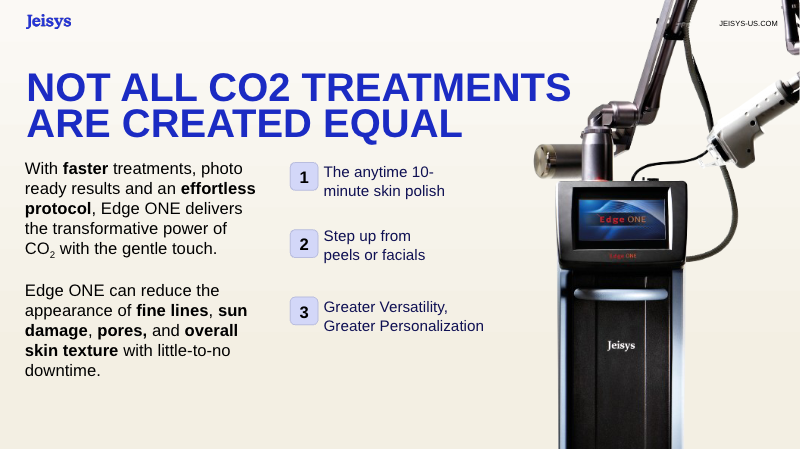
EDGE ONE is a high-power CO₂ laser that supports Fractional Mode (skin resurfacing) and Surgical Mode. This treatment can be performed as a stand-alone treatment in or conjunction with surgical procedures. Graper Harper Cosmetic Surgery offers three levels of treatment options.
Polish – refreshes dull, damaged skin
Medium – improves fine lines, medium-depth wrinkles
Deep – improves deep wrinkles and skin elasticity
What EDGE ONE Treats (Common Aesthetic Indications)
Fractional CO₂ resurfacing is commonly used to improve:
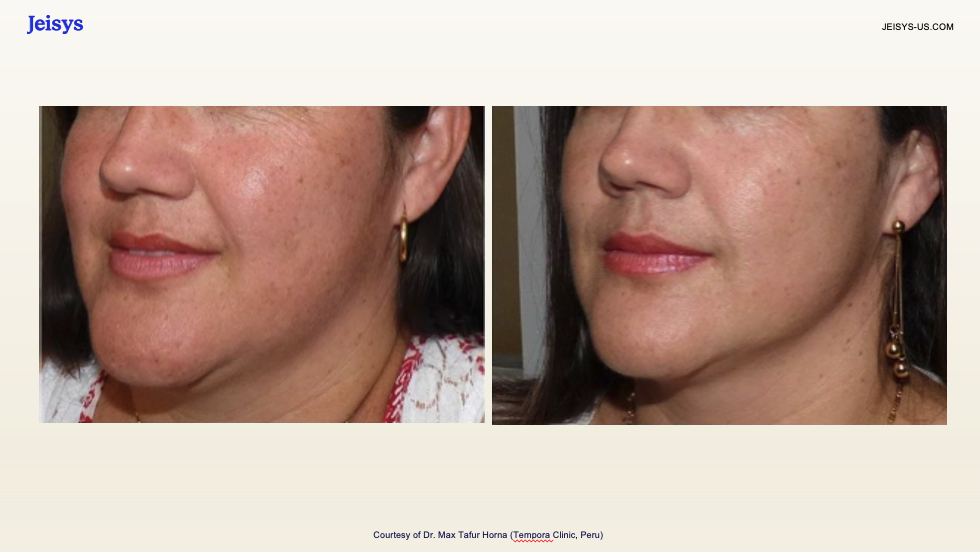
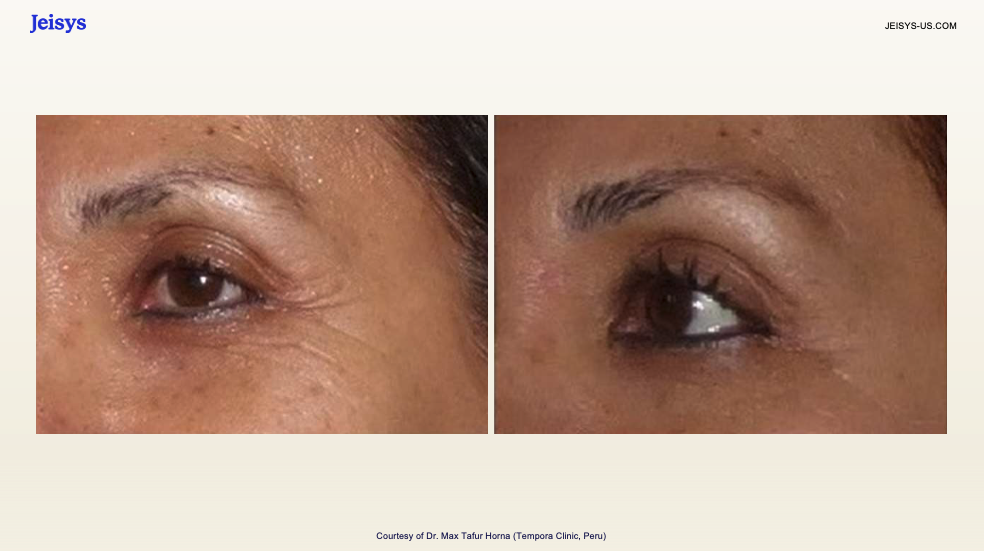
- Fine lines and wrinkles (texture and photodamage)
- Acne scarring and select atrophic scars
- Enlarged pores and uneven skin texture
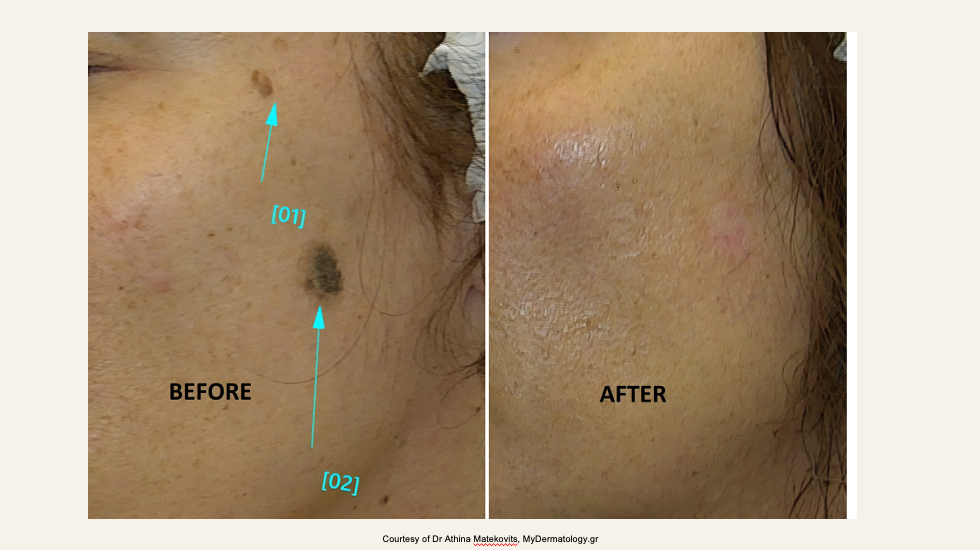
- Sun damage and hyperpigmentation
Treatment Areas
Commonly treated areas include:
- Full face or targeted zones (perioral lines, cheeks, forehead)
- Neck
- Scar-focused areas (acne scars, surgical scars))
Candidate Profile
You may be a good candidate if you:
- Want measurable improvement in texture, fine lines, and/or acne scarring
- Can follow strict aftercare and sun avoidance instructions
- Do not have active infection in the treatment area (e.g., viral outbreak)
- Have a treatment plan aligned with your skin type and downtime tolerance
You may not be an ideal candidate if any of the following apply to you:
- Active skin infection in the area (bacterial, viral, fungal)
- Recent isotretinoin use (commonly known by its former brand name Accutane®)
- History of poor wound healing or keloid scarring
- Uncontrolled medical conditions affecting healing
- Pregnancy/breastfeeding
- Higher risk of post-inflammatory hyperpigmentation (PIH) in certain skin types
Pre-Procedure Preparation (Typical)
After your consultation, our providers may recommend:
- Discontinuing irritating topicals (e.g., retinoids, exfoliants) for a period before treatment
- Antiviral prophylaxis if you have a history of cold sores (when treating perioral/face)
- Avoiding sun exposure and self-tanner for 2–4 weeks pre-treatment
- Arriving with clean skin (no makeup, lotion, or sunscreen unless instructed)
The exact prep is individualized for each patient and our providers will go over all the details with you.
What to Expect: Procedure Day
1) Consultation & Consent
- Review goals, medical history, prior procedures, medications, and downtime tolerance
- Discuss realistic outcomes, number of sessions, risks, and aftercare commitments
- Photos may be taken for baseline comparison
2) Topical Anesthesia
- Most fractional CO₂ resurfacing is performed with topical numbing; additional analgesia may be used depending on depth and area.
3) Treatment
- Skin is cleansed and prepped
- Fractional passes are delivered per plan (density/energy/pattern customized)
- Total appointment time commonly ranges 30–90 minutes depending on area and protocol
4) Immediate Post-Treatment
- Skin typically appears red and feels warm (sunburn-like)
- A protective ointment or post-laser regimen is applied before you leave
- You will go home with detailed written post-treatment instructions
Downtime and Recovery (Typical Ranges)
Recovery depends on treatment depth and coverage:
- Days 1–3: redness, warmth, swelling; skin feels tight
- Days 3–7: bronzing/micro-crusting and peeling; texture is rough as healing progresses
- Weeks 2–6+: gradual improvement in tone/texture; collagen remodeling continues over time
Out providers will give a recovery expectation specific to your level of treatment.
Post-Procedure Aftercare
Follow your clinic’s written protocol. Common essentials include:
- Gentle cleansing as directed; avoid scrubbing
- Keep skin moisturized with approved occlusive ointment/emollient
- No picking or peeling
- Avoid heat exposure, sweating, pools/hot tubs until cleared
- Avoid active skincare (retinoids/acids) until reintroduced by provider
- Strict sun avoidance and daily broad-spectrum sunscreen once re-epithelialized
Risks and Side Effects
All laser resurfacing has potential risks. These may include:
- Redness, swelling, discomfort, oozing/crusting (expected early effects)
- Acne flare or milia during healing
- Temporary or persistent hyperpigmentation/hypopigmentation
- Prolonged redness
- Infection (bacterial/viral/fungal)
- Scarring (rare but possible)
- Lines of demarcation if aftercare and sun protection are not followed
Our providers will review your individualized risk profile in detail with you during your comprehensive consultation.
Results and Treatment Plan
- Many patients see visible improvement after one session, but optimal outcomes for texture/scarring can require a series or combination approach.
- Results evolve over weeks to months as collagen remodeling occurs.
Frequently Asked Questions
Complimentary Consultations
Graper Harper Cosmetic Surgery offers complimentary consultations for EDGE ONE C02 laser treatments. Please call our office at 704-375-7111 or request a consultation on our website. We are happy to review and assess your skin concerns and goals and determine if EDGE ONE C02 laser treatments are right for you.